

Share this post
This is some text inside of a div block.
Copied!

Back to all posts
From fax machines to flexible work: a look at the biggest shifts shaping modern hiring and careers
Published on
March 1, 2026
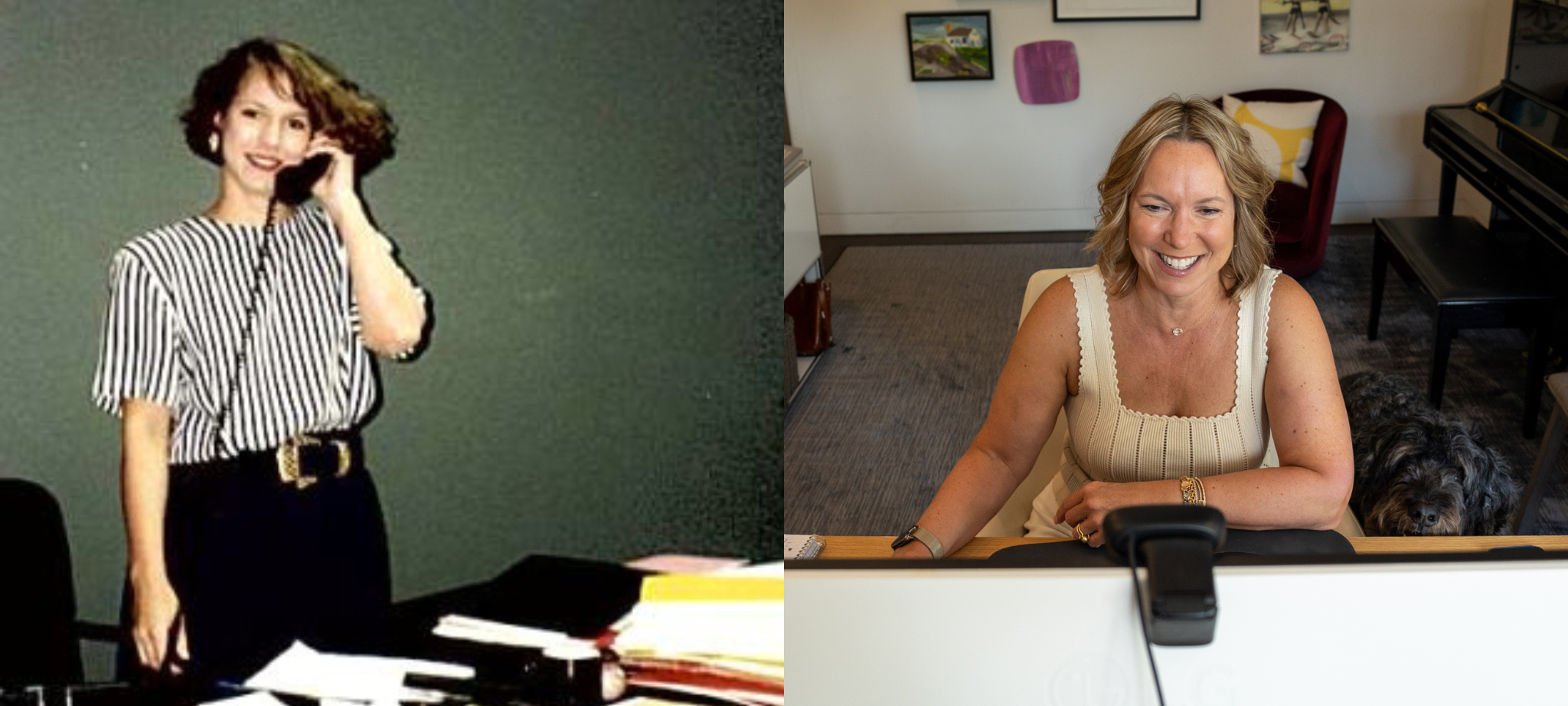
In 1989, the world of work looked very different.
Jobs were found in newspaper classifieds. Resumes were printed and mailed. Career paths were linear, offices were physical and “technology at work” meant a fax machine that hopefully worked when you needed it.
As Altis celebrates 37 years this March 1st, we thought it was the perfect moment to look back, not just at job titles that didn’t exist then, but at how the entire world of work has evolved. From how people search for jobs, to how employers hire, to what people truly value at work today, here are 37 changes we've seen in 37 years.
1. Job searches moved online
Candidates no longer rely on classified ads. Job boards, company websites and professional networks are now the starting point.
2. LinkedIn became a personal brand, not just a resumé
Today, candidates showcase their experience, ideas and personalities publicly, not just on a piece of paper.
3. Employer research is expected
Candidates now research company culture, leadership, reviews and values before ever applying.
4. Salary transparency matters
More candidates expect upfront clarity on compensation and benefits, not surprises late in the process.
5. Geography matters less
Remote and hybrid work have expanded opportunities beyond city limits and borders.
6. Passive candidates are actively recruited
You no longer need to be job hunting to be considered; great talent is often approached before they ever apply.
7. Skills matter as much as credentials
Hiring has shifted from “where did you go to school?” to “what can you do?”
8. Interviews are more structured
Scorecards, competency-based questions and consistent evaluation help reduce bias and improve outcomes.
9. Employer branding influences hiring success
A strong reputation, clear values and authentic storytelling now play a major role in attracting talent.
10. DEI is part of the hiring conversation
Inclusive hiring practices are no longer optional, they’re expected.
11. Data informs decisions
Hiring is increasingly supported by analytics, insights and performance tracking.
12. Recruitment is a strategic partnership
Employers turn to recruitment partners to advise on talent strategy and workforce planning beyond filling roles.
13. Career paths are no longer linear
Upward isn’t the only direction; lateral moves and pivots are common and valued.
14. Changing industries is normal
Transferable skills allow professionals to move across sectors more easily than ever.
15. Growth doesn’t always mean promotion
Many professionals prioritize learning, exposure and impact over title changes.
16. Contract and project-based work is mainstream
Flexible work arrangements now support both lifestyle goals and business needs.
17. Career breaks are more accepted
Parental leave, caregiving, sabbaticals and other gaps are increasingly understood as part of real life.
18. Upskilling is continuous
Learning doesn’t stop after onboarding; it’s essential to staying knowledgeable on ever changing trends and technology.
19. Purpose matters
People want to understand the “why” behind their work.
20. Work-life balance is non-negotiable
Boundaries, flexibility and autonomy are now central to job satisfaction.
21. Mental health is part of workplace wellness
Support for whole-person wellbeing is expected, not stigmatized.
22. Flexibility beats rigidity
Where and how work gets done matters less then when.
23. Equity and inclusion are essential
People want workplaces where they feel respected, represented and supported.
24. Leadership quality matters
Strong managers and transparent leadership can make or break the employee experience.
25. Values alignment drives decisions
Candidates increasingly choose employers that align with what they care about, not just compensation.
26. Applicant Tracking Systems have become standard
Hiring is now powered by platforms that manage candidates and workflows.
27. Virtual interviews are normal
Video calls removed geographic barriers and sped up hiring processes.
28. AI supports sourcing and screening
Technology helps identify talent faster, while people still make the final call.
29. Learning platforms support career growth
Digital tools now support continuous learning and skill development.
30. People analytics guide workforce decisions
Organizations use data to understand engagement, retention and performance.
31. Collaboration tools define daily work
Remote-first tools keep teams connected regardless of location.
Real roles we’re hiring for right now. Apply at the links below.
32. Digital Product Manager | Etobicoke, ON, Hybrid
33. Senior Analyst, Omni Channel Analytics | Toronto, ON, Hybrid
34. LMS Consultant | Ottawa, ON, Remote
35. Social Media Manager & Content Producer | Toronto, ON, Hybrid
36. Social & Sustainable Specialist | Vancouver, BC, Remote
37. iOS Developer | Toronto, ON, Hybrid
Two bonus AI roles (because it’s not 2026 without a little AI)
While the tools, titles and trends have changed, one thing hasn’t — the importance of people. At the heart of every role, every hire and every career is a person looking for meaningful work and a place to grow.
As we celebrate 37 years, we’re proud to have evolved alongside the world of work, and we’re excited to continue supporting job seekers and employers through whatever comes next.
Here’s to the past, the present and the future of work.

Altis is a Canadian-owned staffing firm supporting organizations across the private and public sectors. We focus on relationship-driven recruitment, clear process and consistent delivery, helping employers hire with confidence and professionals build meaningful careers.


.png)